A Call Amid Hardship and Hope
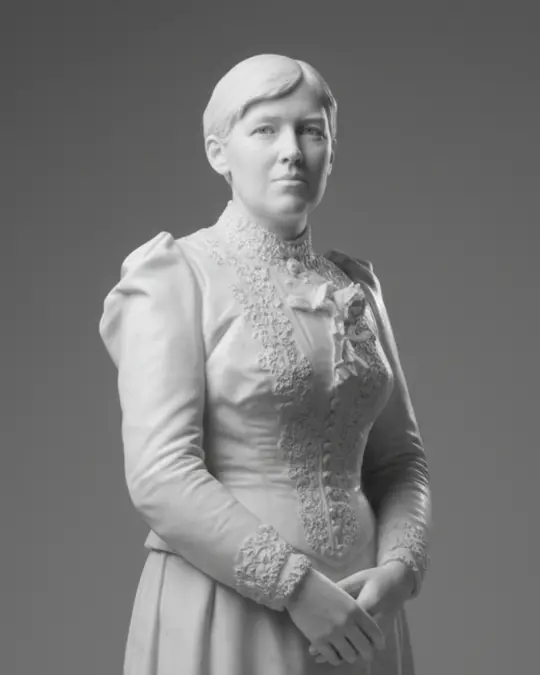
In the heart of the 19th century, when European powers and local customs often collided and many African communities lived in fear and superstition, one woman stood out through faith, compassion, and unwavering courage: Mary Slessor (1848–1915). As a single Scottish woman sent to what is now southeastern Nigeria, she embraced a calling fraught with danger and uncertainty—yet filled with purpose and love. Her life shows us that missions are not glamorous adventures but God-driven commitments that demand sacrifice, compassion, and perseverance. In telling her story, we remember that every missionary laborer is part of a larger tapestry weaving hope, dignity, and redemption across the nations.
Facing Immense Challenges with Compassion
Mary Slessor’s journey to Nigeria began in a context of hardship. Born in Scotland in 1848 and orphaned as a young child, she grew up in poverty, yet found solace in Scripture and Christian service. When she arrived in Calabar (modern Nigeria) in 1876 under the auspices of the Scottish missionary societies, she entered a world where tribal customs, vendettas, and spiritual bondage often ruled daily life. Many locals practiced traditions such as ritual curses, infanticide, and superstition — especially affecting twin infants, who were tragically abandoned or killed because they were stigmatized as cursed.
Operating in remote, dangerous villages without modern conveniences, Slessor faced tropical diseases, rough terrain, and cultural resistance. She witnessed sorrow and injustice daily. Yet, through those challenges, she responded not with fear or condemnation, but with Christlike compassion. She risked her own safety to rescue vulnerable children, care for the sick, and stay in remote areas to minister God’s love rather than withdraw. Her perseverance under hardship speaks to what it truly means to follow Christ into the broken places of the world.
Contributions: Saving Lives, Building Trust, Changing Culture
Mary Slessor’s contributions were profound — not only spiritually, but socially and culturally. Over her decades of ministry, she personally intervened to save many children — especially twins — from abandonment or death. She became known as “Mother of the Nations” by many locals for her protective care and maternal concern.
Beyond rescue, she worked to establish schools, empower women, and encourage stability in communities previously marked by fear and uncertainty. Through her example, she introduced the Gospel in a way that honored local dignity, promoted education, and offered hope. In towns and villages across the Cross River and Calabar regions, her presence laid foundations for lasting Christian witness and social transformation.
Spiritual Shepherding: Faith, Relationship, and Humility
What distinguished Slessor was not just her acts of mercy, but her deep spiritual sensitivity and humility. She did not impose faith as a foreign trophy — but walked alongside people, learned local languages, valued relationships, and shared Christ’s love through kindness and genuine interest in their well-being. Her journal and letters reflect a woman who prayed much, trusted God’s guidance, and found strength not in her own will but in surrender to God’s purposes.
Through personal interactions, she ministered to souls weary from fear and hopelessness. Her gentle persistence broke down walls of mistrust. She embodied Christian servanthood: listening, healing, teaching, and loving — proving that sometimes the greatest missionary tool is a compassionate heart aligned with Christ’s.
Transforming Communities — Then and Now
Because of Mary Slessor’s ministry, whole communities experienced transformation: children grew up with homes instead of abandonment, families found new dignity, and villages began to shift away from destructive customs toward hope, education, and faith. Over time, believers multiplied, churches grew, and the Gospel’s light spread across Calabar and beyond — not through coercion, but through trust, love, and consistent presence.
Her legacy continues today in Nigerian Christian communities whose roots trace back in part to her sacrificial work. The social reforms she helped foster — humane treatment of children, elevated status for women and orphans, respect over superstition — remain a testament to what the Gospel can do when lived out in humility and compassion.
Conclusion: Your Invitation to Join the Mission
Mary Slessor’s story calls us to remember that the Gospel thrives not in ease, but often in the hardest places — and through those who are willing to suffer, love, and sacrifice for others. Her life challenges us to open our hearts and resources to those still in darkness today.If Mary’s legacy stirs you, I warmly invite you to visit GlobalOne80.org. There you can learn about modern missionaries carrying this same Gospel flame into remote, hurting places. Consider supporting their projects, praying for them, and giving generously — because your contribution helps bring hope, dignity, and Christ’s love to the ends of the earth.