Embracing the Call: Why John Knox Matters
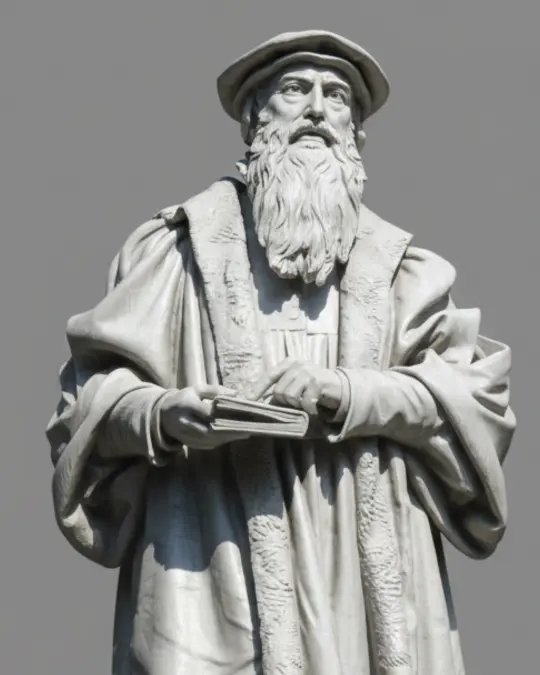
When we reflect on the men and women who changed the course of history for Christ’s church, the name John Knox stands out as a towering example of missionary zeal, conviction, and sacrificial leadership. Born around 1514 in East Lothian, Scotland, Knox would become the driving force behind the Protestant Reformation in his homeland — a movement that reshaped not only the church, but the very identity of a nation. Encyclopedia Britannica+2Wikipedia+2 His life’s journey, from humble beginnings to exile, from slavery to leadership, reveals the cost and the power of following Christ wholeheartedly. For modern readers and believers, his story is more than history — it is an inspiration to trust God’s calling and stand firm in the face of adversity.
Challenges on the Mission Field
Knox’s missionary journey was marked by hardship, persecution, and suffering. Initially ordained as a Catholic priest, he came under the influence of early Protestant preachers — notably George Wishart — and converted to the Reformed faith. Encyclopedia Britannica+1 When political and religious tensions escalated, Knox found himself on the wrong side of powerful authorities. In 1547, after a dramatic siege at St. Andrews Castle, he was captured and condemned: he endured 19 months as a slave on French galleys. Encyclopedia Britannica+1
Yet even broken in body by the hardships of captivity, his spirit remained unbroken. The galleys did not extinguish his zeal — they refined his faith. Upon release, weakened but undeterred, he continued preaching in England and later on the Continent. Encyclopedia Britannica+2Encyclopedia Britannica+2
Contributions: Reshaping Church and Society
Despite adversity, Knox’s contributions were nothing short of revolutionary. After returning to Scotland in 1559, he led the drafting of foundational documents for the new church — including the Scots Confession and the First Book of Discipline — thereby laying the ecclesiastical, doctrinal, and structural framework for what would become the Church of Scotland. John Gray Centre+2Encyclopedia Britannica+2
Through these efforts, Knox established a model of church governance based on congregational participation, accountability, and moral discipline — a Presbyterian polity that empowered believers and shaped generations of Reformed churches worldwide. Encyclopedia Britannica+1
Spiritual Role: Preacher, Pastor, Reformer
Knox was not simply a political or ecclesial reformer — he was first and foremost a preacher of the gospel. His sermons combined fervent conviction, biblical reasoning, and pastoral urgency. Encyclopedia Britannica+1 During his years in exile on the Continent — including service to English refugees in Frankfurt and Geneva — he ministered to believers hungry for gospel truth in dark times. Encyclopedia Britannica+1
When he returned to Scotland, he resumed his pastoral calling, shepherding a flock amid national upheaval and spiritual transformation. His work was not just institutional — it was deeply personal, rooted in a conviction that God’s Word must shape not only doctrine and polity, but hearts, families, and communities. Banner of Truth UK+1
Transforming Communities: Legacy of Renewal
The result of Knox’s labor was nothing less than a spiritual and cultural reformation of Scotland. Under his leadership, the nation rejected papal authority and embraced a reformed church grounded in Scripture, gospel preaching, and the priesthood of all believers. John Gray Centre+1 This transformation went beyond theology: Knox’s vision included accessible worship, biblical literacy, and moral renewal. The ambition behind the First Book of Discipline was not only church structure, but education and social care — though financial constraints limited its full implementation. Encyclopedia Britannica+1 Nevertheless, the ripple effects were profound: Scotland became a beacon of Protestant faith, shaping future generations, influencing global Presbyterian and Reformed movements, and leaving a heritage of gospel fidelity that still speaks today.
Conclusion: A Living Invitation
John Knox’s life shows us that missionary service is costly, dangerous, and demanding — but God uses such surrendered, faithful lives to change history. His story invites us to empathize with those who follow Christ’s call in hostile environments, who labor not for popularity but for faithfulness to the gospel.
If you feel moved by Knox’s legacy and want to support modern missionaries carrying the gospel to conflicted, fallen places — places of need, darkness, and hope — I invite you to visit GlobalOne80.org. There, you can learn about missionaries on the front lines, read their stories, and donate to vital projects that bring Christ’s light to the ends of the earth. Your contribution could help transform lives and communities just as Knox helped transform Scotland.