Why David Zeisberger’s Missionary Legacy Still Matters
In a world wounded by division, displacement, and injustice, the story of David Zeisberger calls our hearts back to the simple, costly love of Christ for “all peoples.” Born in Moravia in 1721 and shaped by the early missionary community of the Moravian Church (Herrnhuter Brüdergemeine), Zeisberger devoted more than sixty years of his life to bringing the gospel to Native American tribes — Delawares (Lenape), Munsee, Iroquois, and others — across Pennsylvania, New York, Ohio, Michigan, and even present-day Ontario. Wikipedia+2Boston University+2
His life matters because it models a mission not driven by conquest or exploitation, but by humble service, cross-cultural love, and deep respect for every human being made in God’s image. For modern believers, his legacy inspires empathy — and a willingness to invest in missions that value dignity, culture, and long-term transformation.
The Challenges of a Frontier Calling
Zeisberger’s path was marked by hardship, danger, and persistent displacement. After emigrating to America in 1738, he lived through the early unsettled years of colonial frontier life, eventually becoming ordained in 1749 and beginning his mission among Indigenous peoples. Boston University+2Enciclopedia Bíblica McClintock y Strong+2
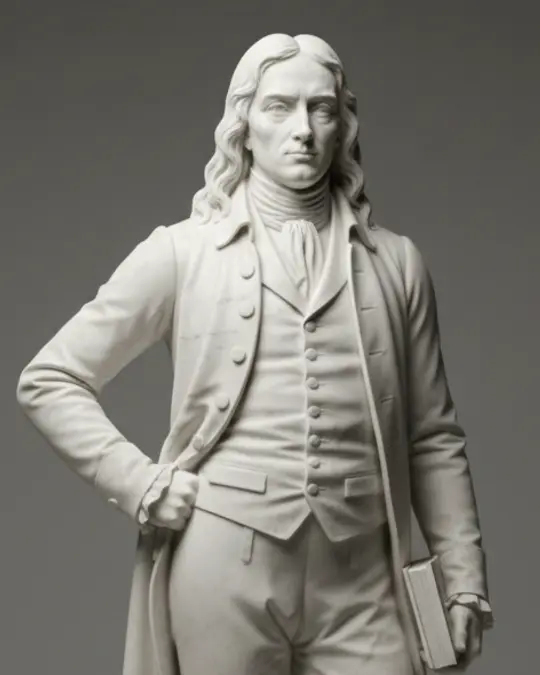
He journeyed by foot, canoe, and horseback across dense forests, mountains, and shifting territorial boundaries — often in the midst of conflict among European settlers, colonial powers, and various Native tribes. Historia de Héroes y Heroínas+2Biblioteca del Congreso+2
During the turbulence of the American Revolutionary era, Zeisberger’s commitment to neutrality and peace placed him in jeopardy. In 1781 he was arrested by British authorities; during that time, a tragedy struck: 96 of his Native converts at the settlement of Gnadenhutten, Ohio were brutally massacred by militia — a grievous blow to his flock and a stark reminder of how costly it can be to follow Christ on the margins of history. Boston University+2Historia de Héroes y Heroínas+2
Yet despite danger and loss, Zeisberger persisted — a testament to sacrificial faith grounded in love for people and obedience to the gospel.
Contributions: Language, Community, and Gospel Foundations
One of Zeisberger’s greatest gifts was his willingness to learn — not just teach. He mastered several Native languages (including Delaware, Onondaga, Munsee), and produced dictionaries, translations of Scripture, hymns, catechisms, and other religious literature — often in the languages of Indigenous peoples themselves. Boston University+2Enciclopedia Bíblica McClintock y Strong+2
In 1772 he established the mission settlement of Schoenbrunn, Ohio — the first organized Moravian-Indian village in Ohio — and afterward other mission communities such as Goshen, Ohio, among others. NCT Library+2Iglesia Morava Dover First+2
These communities offered Native converts a place to worship, learn, raise families, and live in Christian fellowship — a rare example of cross-cultural community rooted in respect, dignity, and the gospel, rather than displacement or assimilation. Zeisberger’s emphasis on education, Scripture in the vernacular, and communal life laid a foundation for Christian witness that honored Indigenous identity while proclaiming Christ. Historia de Héroes y Heroínas+2Enciclopedia Bíblica McClintock y Strong+2
Spiritual Role: Pastor, Bridge-Builder, Advocate
Zeisberger was more than a missionary: he was a pastor, bridge-builder, advocate, and friend of Native Americans. His life embodied a gospel that reached beyond spiritual conversion — he sought social justice, protection for Native rights, and peaceful coexistence amid colonial pressures. Iglesia Morava Dover First+2Ohio Amish Library+2
Because he lived among native communities, spoke their languages, understood their cultures, and translated Scripture for them, many Indigenous believers regarded him not as a colonizer but as a brother — a trustworthy messenger of Christ’s love who respected their dignity. Historia de Héroes y Heroínas+2Wikipedia+2
His pastoral care extended through times of war and displacement, upheaval and persecution, demonstrating that the gospel’s call to love and peace transcends ethnicity — a compelling picture for Christians who care for marginalized peoples today.
Transforming Communities: A Legacy of Faith and Hope
Through Zeisberger’s ministry, thousands of Native Americans came to faith in Christ. Formerly scattered and threatened by colonial expansion, many found refuge, identity, community, and purpose in the Moravian settlements. Historia de Héroes y Heroínas+2Biblioteca del Congreso+2
Even as external pressures — war, forced migrations, white settlement — repeatedly dismantled mission villages, the spiritual legacy endured. Zeisberger’s translations, writings, and communal foundations left behind seeds of gospel truth, respect for native cultures, and a model of incarnational ministry that integrated faith, language, and life. Boston University+2Ohio Amish Library+2
For churches and mission-minded believers today, this shows us that true transformation often requires long-term commitment — not quick results, but faithful presence, cultural humility, and willingness to suffer for the sake of the gospel.
Conclusion: Your Opportunity to Continue the Mission
David Zeisberger’s life reminds us that missions is seldom comfortable — it is costly, often dangerous, and sometimes heartbreaking. But through faithful, humble service, God can bring lasting transformation to hearts, cultures, and entire communities. If you are moved by Zeisberger’s legacy and want to support modern missionaries who strive to carry the same love and sacrifice into today’s frontier regions, I invite you to visit GlobalOne80.org defendemos las contribuciones de las mujeres en las misiones, asegurando que tengan el apoyo necesario para prosperar en su llamado.. There you can read contemporary testimonies, learn about current mission endeavours, and consider donating to help bring hope, education, and the gospel to communities longing for Christ.