
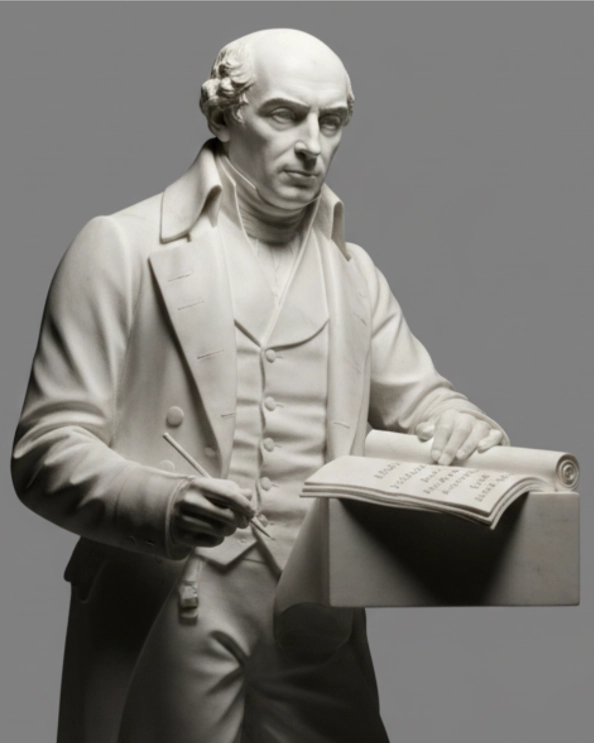
When a humble English shoemaker declared, “Expect great things from God; attempt great things for God,” few could have imagined the transformation those words would spark across an entire nation. William Carey (1761–1834) didn’t just bring the gospel to India—he carried hope, dignity, and transformation to millions who had been waiting for someone to see their worth. His story reminds us that God uses ordinary people to accomplish extraordinary things when they surrender their lives completely to His calling.
The Courageous Journey to India
Born in the small village of Paulerspury, England, William Carey worked as a cobbler while pastoring a tiny Baptist church that couldn’t afford to pay him. Yet this self-taught linguist possessed an insatiable hunger for learning and a burning passion for souls who had never heard of Jesus. In 1792, he helped establish the Baptist Missionary Society, and the following year, he sailed to India with his reluctant wife Dorothy and their children. The journey tested every fiber of his faith—facing opposition from the British East India Company, struggling with crushing poverty, watching his five-year-old son die of dysentery, and caring for his wife through mental illness. But Carey pressed forward, trusting that God’s purposes were greater than his pain.

A Legacy Written in Many Languages
What set Carey apart wasn’t just his evangelistic zeal but his holistic vision for transformation. He didn’t merely preach—he translated the entire Bible into Bengali, Sanskrit, and portions into dozens of other Indian languages, creating the foundation for Bengali prose literature. He worked tirelessly for seven years before baptizing his first convert, Krishna Pal, in 1800. Alongside fellow missionaries Joshua Marshman and William Ward—known together as the Serampore Trio—Carey established schools for impoverished children, founded Serampore College to train indigenous ministers, and launched India’s first printing press. His team planted churches, organized medical missions, and even contributed to botanical research, demonstrating that the gospel transforms every dimension of human existence.
Fighting for the Forgotten
Carey’s compassion extended beyond spiritual matters to confront devastating social injustices. He witnessed the horrific practice of sati, where widows were burned alive on their husbands’ funeral pyres, often against their will. For nearly three decades, he persistently advocated with the British government to abolish this practice, finally succeeding in 1828. He also campaigned against infanticide and the dehumanizing caste system, proving that true Christianity always champions the dignity of every human being created in God’s image. These weren’t distractions from his missionary calling—they were expressions of it.
Your Part in Today’s Mission
William Carey spent over forty years in India, never returning to England. When he died in 1834, his humble tombstone read, “A wretched, poor, and helpless worm, on Thy kind arms I fall.” Yet his legacy lives on in every missionary who follows his holistic approach to ministry. Today, missionaries around the world continue Carey’s work, facing similar challenges—cultural barriers, financial struggles, opposition, and loneliness—all for the sake of the gospel.
You can be part of this ongoing story. Visit GlobalOne80.org to discover missionaries who need your prayers and support. Your donations provide Bible translations, educational resources, and relief for suffering communities. Like those who “held the ropes” for Carey, your partnership makes transformation possible. Will you expect great things from God and attempt great things for Him today?
